
The Short answer? Yes, you should start a fitness podcast.
A more detailed perspective?
You may end up increasing awareness of the value of health and establish yourself as a credible fitness entrepreneur among other gym owners and wellness enthusiasts by starting a fitness podcast. They also present a fantastic chance for your company’s marketing.
A fitness podcast will highlight your expertise in the field – this may range from meal prepping to at-home workouts. Quite often, a podcast will request a subject matter expert to join them for each episode to provide insightful commentary on a certain subject.
How it works
Where lead generation actually leaks
Not enough qualified leads
Volume is the obvious problem, and usually the least important of the four.
Slow or missing follow-up
Most enquiries are contacted once. The buyer who needed a fourth touch is simply lost.
Weak qualification
Sales time is spent on people who were never going to buy, so the ones who would get less attention.
Nothing is ever re-worked
Quoted-but-not-closed opportunities go cold permanently instead of being revisited.
MAKE MORE SALES.
Pay-Per-Result pricing — We scale sales HARD aligned to your interests, better than anyone else.
To expand on relevant topics, consider speaking with fitness influencers, other gym owners, your training/PT staff, and even owners of health/fitness brands.
Let’s look at what you will need to make this happen successfully.
1. Choose Your Podcast Name
The name you choose for your podcast is an important decision. This is the time to show off your originality. You might use a catchy and inventive title or one that is plain and descriptive.
The most crucial thing to keep in mind is that the title should relate to your particular topic, in this case, the fitness sector.
2. Design Your Content Format
There are various podcast formats, including:
- Solo shows
- Interview reveals
- Co-hosted shows
Pick a format that you believe will be most beneficial to your audience. Will you and your business partner be discussing a variety of subjects? Or are you going to use a guest format?
Want this done for you? We book qualified sales appointments on a Pay-Per-Result basis — you only pay for calls that actually land in your calendar.
There are many advantages to having guests from the fitness sector in your program. Different gym owners, personal trainers, or industry professionals can offer perspectives that contrast with your own and add variety to your content.
In addition, people who have heard of them and appreciate their work will tune in. Being both professional and amusing will give you the chance to attract more viewers and followers. The second choice would focus on your members and be more all-encompassing, covering a variety of wellness-related themes and advice.
3. Structure Your Topics
There are typically two directions you may go with the angle of your presentation as a fitness entrepreneur:
- Focusing on the industry itself
- Focuses on fitness, wellness, and health
For the purposes of this blog article, we’ll assume that you’d like to select the first alternative, which concentrates on the fitness industry as a whole and is directed at those who seek fitness and health advice.
Regardless of your approach, it’s critical to plan your material and talking points, including the guests you want to invite and the themes you want them to discuss, or the issues you want to cover directly.
4. Length, Style & Flow
Your audience will remember you by your personal style. Every compelling fitness podcast has a friendly and interesting tone. Your shows can range in duration from one topic to the next, but they should all be between 25 and 40 minutes on average.
*HOT TIP: Decide in advance if this will be a weekly program or one episode every two weeks. Before airing, create at least three episodes, and schedule the upcoming themes in advance.
If we can’t make you money, we don’t deserve yours.
Pay-Per-Result pricing — performance-based alignment.
5. Choose Your Equipment
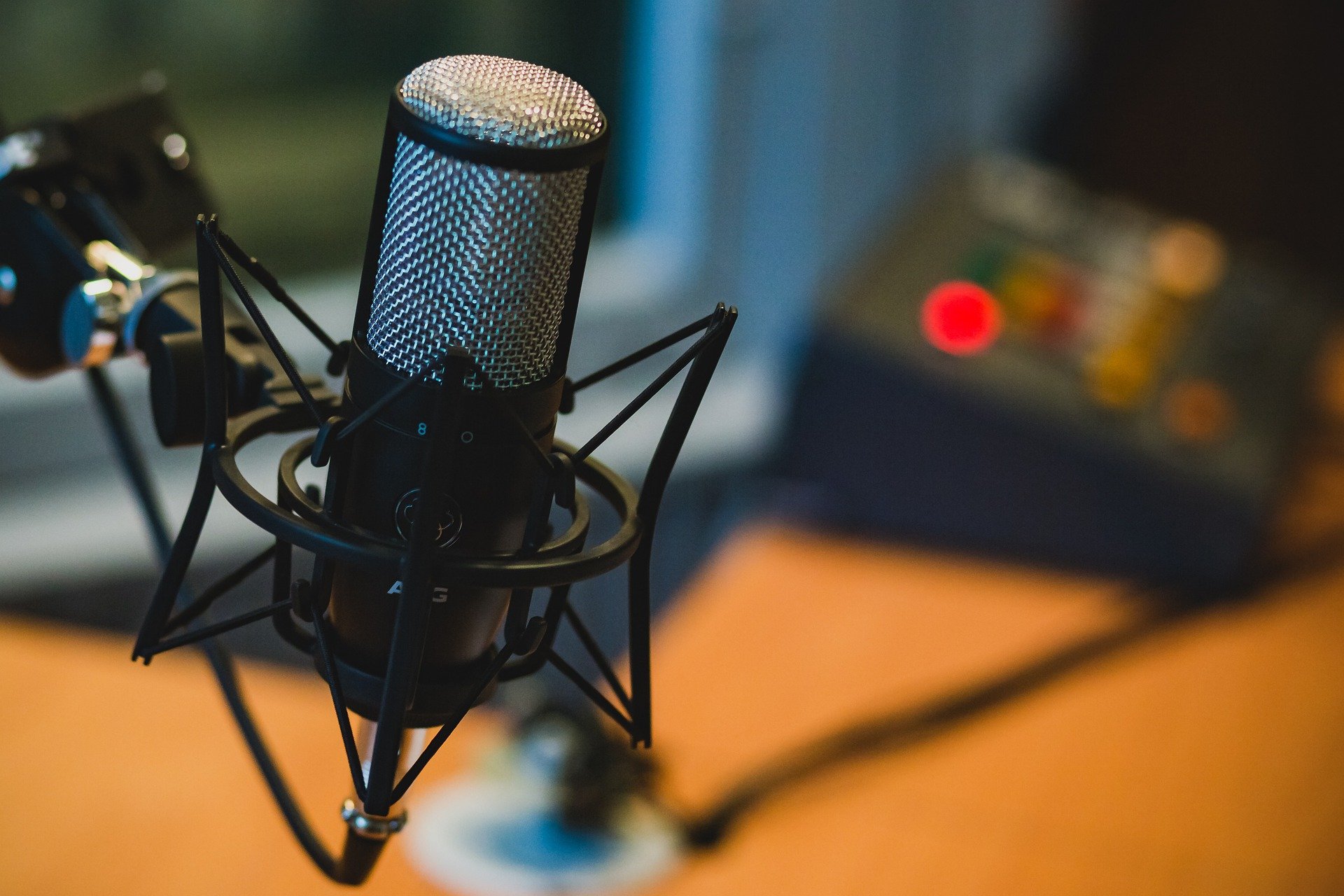
This one is as simple as it gets: You don’t require a professional studio to start a fitness podcast for your fitness business. WiFi, a PC, and a top-notch microphone are all you require.
6. Hire An Editor
After you’ve finished recording your podcast episode, you should cut out any passages you feel are superfluous or erase any instances where you made a mistake. While this is straightforward enough on its own, it takes time to go through an hour-long recording and then piece everything together to make the ideal 30-minute episode.
We advise hiring an editor and giving them thorough notes from the recording, especially if editing is not one of your natural skill sets. This will save you a tonne of time in the long run.
7. Plan Your Distribution
There are many different platforms where people listen to podcasts. Although Apple Podcasts and Spotify are perhaps the most well-known, you don’t want to overlook any prospective listeners.
There is no right answer when it comes to selecting the best platform to start a fitness podcast. Although there are several excellent podcasting platforms available, such as Buzzsprout and Podbean, you may always choose the one that you find to be the most user-friendly.
You can develop as an expert and gain recognition as one of the best industry experts; all you need to start a fitness podcast. It is a great approach to market your gym services, such as personal training sessions or a gym, as well as your own brand.
It can be difficult to start a fitness podcast. But if you choose the correct themes, identify the right tools, and create attention-grabbing content, soon amazing guests will join and you’ll be more than equipped to anticipate the reaping of all the rewards related to running a prosperous fitness podcast.
Pay-Per-Result appointments
See if we’re a fit
We book qualified sales appointments for you and you pay on results, not retainers. Our booking page asks a few quick questions so you find out in two minutes whether that model suits your business.
- 50,769+ appointments booked without cold calling.
- Pay-Per-Result pricing — you pay for booked, qualified calls.
- Pick your own time on our live calendar, no phone tag.